 See What’s Possible for My Space
Share This Post
A Sydney apartment renovation sale price is shaped by recent comparable sales, location, the apartment’s features and current market conditions, and a well-planned renovation may improve buyer appeal without guaranteeing a higher price or recovery of the cost. Kitchens, bathrooms and flooring are the areas to assess first, and the strata approval records behind the work matter as much as the finish. Work done without the right NSW strata approval can cost a seller more than it adds.
What Sets a Sydney Apartment Renovation Sale Price?
A Sydney apartment renovation sale price is the amount a renovated unit actually sells for, and recent comparable sales help set realistic expectations for it, alongside location, the apartment’s features and current market conditions. NSW Fair Trading lists those four factors as the basis for an agent’s estimated selling price. A well-planned renovation may improve buyer appeal, but it does not guarantee a higher sale price or that you will recover the cost of the work.
This distinction is important when planning a renovation before selling. A new kitchen in a 1970s walk-up in Marrickville or Kogarah improves presentation and removes some of the reasons a buyer might discount, but it does not change the location, the building or the market the unit sells into. Before committing, compare the likely selling outcomes with a local agent and weigh the renovation costs and the extra time involved.
The second half of the equation is paperwork. In NSW, a buyer’s solicitor or conveyancer will usually order a strata report before exchange. If a kitchen or bathroom renovation needed owners corporation approval and none is on record, the renovation can become a negotiating point against you instead of for you.
Does Renovating an Apartment Add Value Before You Sell?
A well-chosen apartment renovation can improve buyer appeal before a sale in Sydney, but it does not guarantee a higher sale price or that you will recover what you spend. Buyers compare your unit with recent comparable sales, then weigh location, features and current market conditions. A renovated unit is easier to compare favourably. It does not rewrite the comparison.
The renovations most worth assessing are the ones a buyer would otherwise have to do straight after settlement. An original kitchen or a bathroom with deteriorated or defective waterproofing invites a buyer to subtract the cost and the hassle of doing the work themselves. Finishing that work before you list removes the subtraction, and that is where most of the improvement in appeal comes from.
Overcapitalising is the main financial risk. A bespoke kitchen with imported stone in a block where every other unit has a standard kitchen may not be reflected in offers, because buyers and valuers weigh comparable sales alongside features and market conditions. Match the standard of comparable renovated units, and test the likely outcome with a local agent before you commit.
Which Apartment Renovations Should You Assess First in Sydney?
Kitchens, bathrooms, flooring and storage are the areas to assess first before selling a Sydney apartment, because they are the ones buyers inspect closely and compare against other units. Paint, lighting and balcony presentation come next. Structural changes rarely justify their cost and approval time in an apartment unless they add a bedroom or fix a genuinely poor layout, and even then the outcome should be tested against comparable sales first.
The table below sorts the common pre-sale jobs by the NSW strata approval category each one normally falls into, because in an apartment the approval category shapes the timeline as much as the scope does.
| Renovation | NSW strata category | What it changes for a buyer |
| Interior repaint, filling cracks, new blinds | Cosmetic work, no approval needed | Removes the tired first impression and lifts the listing photos. |
| Built-in wardrobes | Cosmetic work, no approval needed | Storage is something buyers check in smaller units. |
| Replacing carpet with timber or tile flooring | Minor renovation, approval needed, plus an acoustic certificate | Modern look, and the approval record shows up in the buyer’s strata search. |
| Kitchen cabinetry, benchtops and recessed lighting | Minor renovation, approval needed | A room buyers inspect closely. Match the standard of comparable units. |
| Bathroom renovation involving waterproofing changes | Major renovation, special resolution needed | Addresses a job many buyers would otherwise price in, and the approval matters to the buyer’s strata report. |
| Removing or moving a structural wall | Major renovation, special resolution, 14 days’ written notice, and possibly council approval | Consider only where it adds a bedroom or fixes a poor layout, and weigh the cost and approval time. |
The categories in the table come from NSW Fair Trading’s strata renovation rules, and your own scheme’s by-laws can add items to the cosmetic and minor lists, so check them before you plan the scope.
Bathroom renovations involving waterproofing changes require approval as major renovations. That is why bathroom renovations in Sydney apartments need the approval step built into the plan from the start, and why the approval minutes for a bathroom are worth keeping with the receipts.
If you are weighing which rooms to touch, the renovation elements buyers notice first in Sydney are the same ones that drive apartment inspections: the kitchen, the bathroom, natural light and the quality of the finish.
What Strata Approval Does a Sydney Apartment Renovation Need in NSW?
NSW strata law sorts apartment renovations into three types, and each type has a different approval. Cosmetic work needs no approval. Minor renovations need approval from the owners corporation, usually by a vote where more than half of the votes cast are in favour, or from the strata committee if a by-law allows it. Major renovations need a special resolution at a general meeting, which passes only if no more than a quarter of the value of votes cast are against the work.
Cosmetic work is any change that does not affect the structure or the outside of the unit and does not need waterproofing, such as painting, laying carpet, filling minor cracks or installing built-in wardrobes. Minor renovations include kitchen cabinetry, hard flooring, changes to internal walls that do not affect the structure, wiring and recessed light fittings. Major renovations include anything that affects the structure or outside of the unit, anything that needs waterproofing, changes to the ceiling, and any work that also needs approval under other laws, such as council approval.
Three details matter to a seller. Owners corporations must keep a record of every approved minor renovation for 10 years, so a buyer’s strata search can confirm your approval or expose its absence. A special resolution for major work must state who is responsible for ongoing maintenance of the affected common property, the owners corporation or the lot owner, and work that affects common property may also need a by-law. And if the work changes the structure, you must give the owners corporation 14 days’ written notice before it starts. Renovating without the right approval can mean paying to put the property back the way it was.
For a minor renovation, NSW Fair Trading says you will need to show the owners corporation, strata committee or strata managing agent:
- plans of the work, including the dates and times the work will be done
- the qualifications and details of the tradespeople who will do the work
- an acoustic certificate to show sound insulation, if you are installing flooring.
Approvals take time because a special resolution needs a general meeting. That meeting can be the annual general meeting or another general meeting called for the purpose, so ask the strata manager how soon a meeting can be held rather than assuming you must wait for the AGM. If you are selling in the next few months, settle that timing before you lock in a renovation start date.
How Do Unapproved Renovations Affect an Apartment Sale?
Unapproved renovations are a potential issue buyers may investigate during their due diligence, and if found they can become a risk the buyer prices in. NSW Fair Trading advises buyers to get a strata report before purchasing, and that report draws on the strata records and meeting notes, which is exactly where approved renovations are recorded. NSW Fair Trading’s guidance on buying a strata property also tells buyers to read the scheme’s by-laws, including the approval process for changes to a lot.
The seller must attach a copy of the strata plan and the by-laws to the contract of sale. A buyer who sees a renovated bathroom and no record of a special resolution has a question for their conveyancer, and that question can arrive as a lower offer or a request for a clause that makes you fix the paperwork before settlement.
The fix is boring but effective. Before you list, collect the approval minutes, the acoustic certificate for any hard flooring, the waterproofing certificate for any bathroom work, the contractor’s licence details and, where required, the home building compensation certificate, and hand the file to your agent. A renovated apartment with a complete file is judged on its finish. One without the file invites questions.
Which Paperwork Supports a Sydney Apartment Renovation Sale Price?
Four documents support a Sydney apartment renovation sale price once the work is done: the contractor’s licence check, the home building compensation insurance certificate where required, the written contract, and your own renovation cost records. Each one answers a question the buyer or their adviser may ask.
A licence is required in NSW for residential building work above the value threshold set by Building Commission NSW, and for all specialist work such as electrical and plumbing regardless of cost. You can check your contractor or tradesperson is licensed online before you sign, and the check shows the licence holder’s name, licence categories, expiry date and any disciplinary history.
Where required, your contractor must provide the home building compensation insurance certificate before taking any payment, including a deposit, and before starting work. The cover is not automatic protection for every defect. Claims depend on specified circumstances, including the contractor’s death, insolvency, disappearance, or licence suspension for failing to comply with a qualifying court or tribunal money order, and cover is subject to policy conditions and time limits. The details are set out in the SIRA guide to home building compensation insurance for homeowners.
The contract should set out the scope, how the price is built up, and how changes are handled. Our guide to a fixed-price renovation contract in Sydney explains what to check before you sign.
Keep renovation invoices and supporting records. Ask your accountant how the property’s ownership and use affect its capital gains tax treatment, because the rules differ with when the property was acquired and whether it has been your home or an investment.
Which Sydney Apartments Have the Most Room to Improve Before a Sale?
Older apartments with dated interiors may offer the most room to improve presentation and functionality before a sale, because the gap between an original interior and a renovated one is widest there. Think of the 1960s and 1970s red-brick walk-ups around Marrickville, Ashfield and Kogarah, the older blocks along the Eastern Suburbs coast from Maroubra to Bronte, the unit belts of Cronulla and the Sutherland Shire, and the 1980s and 1990s blocks through North Sydney and the Northern Beaches. In those blocks, renovated and unrenovated units often present very differently at inspection, and comparable sales will show you how the market has treated each.
Age brings one caution. NSW Government asbestos guidance says a home built or renovated before 1990 is likely to contain asbestos somewhere, including behind tiles, in flooring underlay and in internal wall sheeting. The advice is to treat suspect material as asbestos, stop work and use a licensed assessor rather than disturb it. Build that assessment into the plan before a bathroom strip-out, not after.
Be honest about scale before you call anyone. If all your unit needs is a repaint and new blinds, you do not need a builder, and a painter will serve you better. TIG takes on significant apartment renovations, where the kitchen, the bathroom, the flooring and often the layout are planned and delivered together as one managed project.
How Does TIG Approach an Apartment Renovation Before a Sale?
Trade Industries Group (TIG) approaches a pre-sale apartment renovation as a scope and approval question first, and a finishes question second, because scope and approval are what shape a Sydney apartment renovation sale price conversation with an agent. TIG’s apartment renovations in Sydney cover the strata side, deliveries and neighbours as part of the job, which matters in a block where access, lift bookings and work hours are set by the owners corporation.
Your renovation journey with TIG starts with a Discovery Call to discuss your apartment, your goals and what you want to achieve. If the project is a suitable fit, an Onsite Strategy Session follows to assess the space and discuss the possibilities and potential challenges. The scope is then clarified and presented in a Tailored Plan Walkthrough covering the proposed work, costs and timeframe, so you can decide with the numbers in front of you. Once the contract is signed, TIG’s team manages the build, communication and quality checks through to handover.
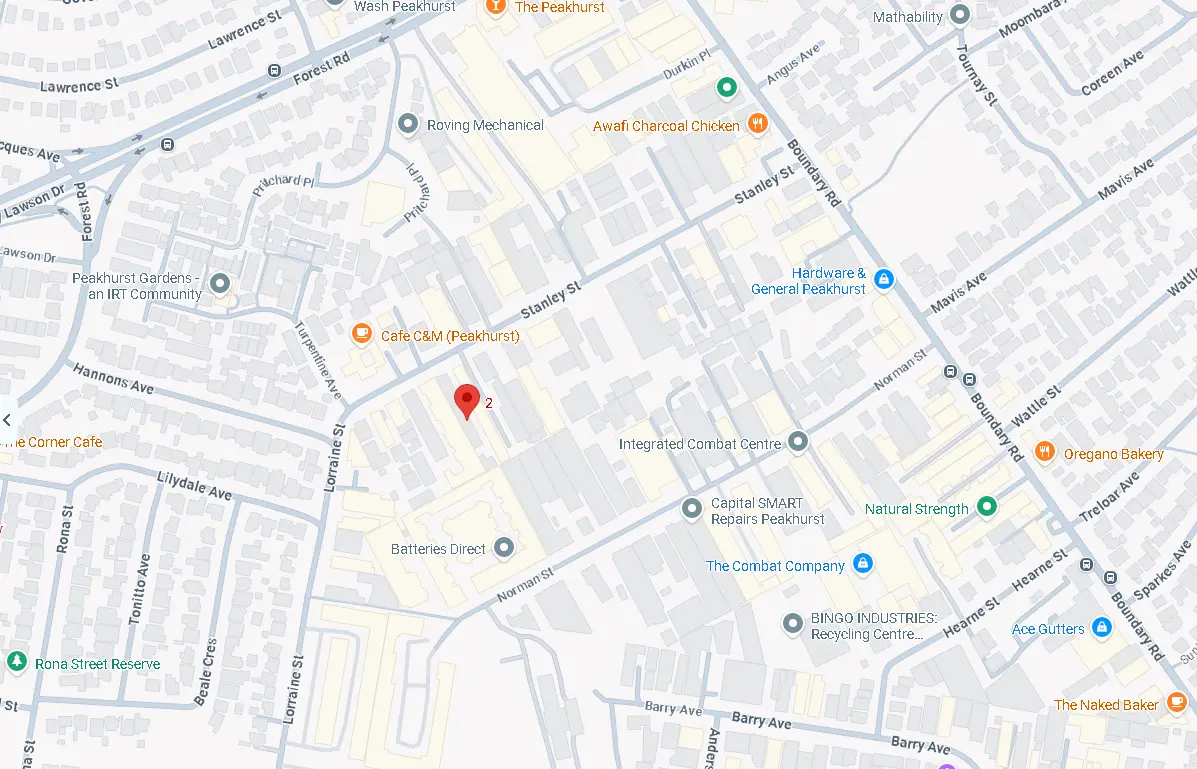
TIG is a licensed and insured Sydney renovation contractor, licence number 358098C, based in Peakhurst. TIG clarifies the agreed scope, costs and programme before construction, with any variations managed through the contract’s agreed process, and fixed pricing applies to the agreed scope and contract terms.
The proof is in the work. TIG’s completed residential projects include Victoria Square in Ashfield, where the kitchen and bathroom were updated and the living areas opened up, and Frost Street in Earlwood, completed on schedule. The same planning discipline applies to an apartment before a sale.
If you plan to stay in the unit while the work happens, read our guide to living at home during a renovation first, because apartments with strata-set work hours change what is realistic. Once the work is done, presentation takes over, and our tips on preparing your old apartment for sale cover paint, light, decluttering and staging.
Pre-Sale Apartment Renovation Checklist for Sydney Sellers
Work through these seven steps before you commit to a pre-sale renovation on a Sydney apartment.
- Review recent comparable sales with a local agent, alongside location, features and current market conditions, and weigh the renovation cost and time against the likely outcome.
- Read your scheme’s by-laws and sort each job into cosmetic, minor or major.
- Ask the strata manager how soon a general meeting can be held, and lodge approvals early.
- Have a unit built or renovated before 1990 assessed for asbestos before any strip-out.
- Check the contractor’s licence online and, where required, get the home building compensation certificate before paying a deposit.
- Keep approval minutes, certificates and invoices in one file for your agent and conveyancer.
- Match the standard of comparable renovated units rather than exceeding it.
Sydney Apartment Renovation Sale Price: Decide With the Evidence in Front of You
The Sydney apartment renovation sale price you can realistically expect comes from recent comparable sales, location, features and market conditions, not from a showroom. Renovate to the standard of comparable units, get the strata approval each job needs, keep the paperwork that proves it, and compare the likely outcome with a local agent before you commit. These steps can help present the apartment clearly and reduce avoidable questions during the sale.
Thinking About Renovating Before You Sell?
If you are weighing up a pre-sale renovation on a Sydney apartment, talk it through with TIG before you commit to anything. Call 0468 013 922, email Admin@tradeindustriesgroup.com.au, or request a free consultation online. No pressure. No jargon. Just straight-up advice on what’s possible.
Check Your Renovation Possibilities
Frequently Asked Questions
1. Does renovating an apartment add value?
Renovating an apartment may improve its appeal to buyers, but it does not guarantee a higher sale price or that you will recover the cost of the work. Recent comparable sales set realistic expectations alongside location, features and current market conditions. A renovation can remove reasons buyers discount, such as an original kitchen or defective waterproofing, so test the likely outcome with a local agent before you commit.
2. How much does it cost to renovate an apartment in Sydney?
The cost of renovating an apartment in Sydney depends on the scope, the strata approval category each job falls into, the age and condition of the building, and site factors such as lift access and permitted work hours. Cosmetic work costs the least and major work involving waterproofing or structure costs the most. TIG presents the costs for your specific scope at the Tailored Plan Walkthrough stage, after the Onsite Strategy Session.
3. Which renovations devalue homes in Australia?
Renovations that devalue homes are the ones a buyer has to undo or that create risk: work done without the required approval, layouts that remove a bedroom or shrink the living space, highly personal finishes that date quickly, and poor workmanship in wet areas. In an apartment, work that needed a strata resolution and never got one is a potential issue buyers may investigate through the strata report.
4. Is it worth doing renovations before selling?
Renovating before selling may be worth it when the work removes a clear reason for buyers to discount, such as an original kitchen, a bathroom with defective waterproofing or worn carpet, and when the expected improvement in the sale outcome justifies the cost and the time. A higher selling price is not the same as a profitable renovation: subtract the renovation cost, approval delays and holding time from any expected gain. It is not worth it when your unit already matches comparable units, or when strata approval cannot be obtained before you need to list.
5. How long does it take to sell?
Selling a property in NSW takes a marketing period, then exchange of contracts, then settlement, which NSW Fair Trading says typically occurs six weeks after exchange unless the parties agree a different timeframe. Buyers who purchase by private treaty usually also have a cooling-off period of five working days after exchange, while auction buyers have none. A pre-sale renovation sits before all of that, so plan it around your strata scheme’s meeting dates.
 Bathroom Renovations Near Me: How to Choose a Licensed Sydney Renovator
 Home Renovation Builders in Sydney: A Homeowner's Guide to Choosing One
About the Author: Trade Industries Group