 See What’s Possible for My Space
Share This Post
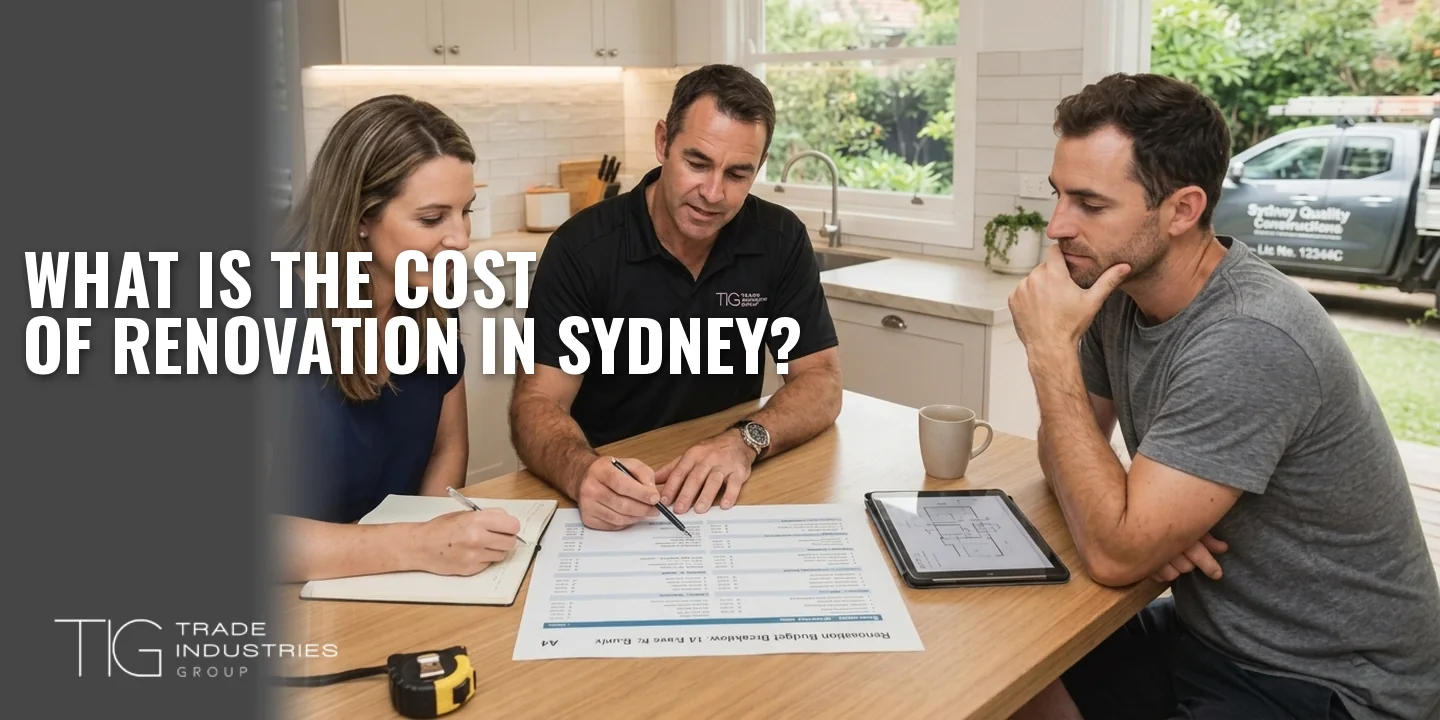
The cost of renovation in a Sydney home depends mainly on scope, structural work, finish level, approvals and site access, not on size alone. For the established homeowners TIG works with, full home renovations, extensions and adding an upper level are all priced after a site inspection against a fixed written scope. A reliable average renovation price only comes from that inspection, not from a generic online figure. Plan for approvals and a contingency allowance on top of the build.
Key Takeaways
- The cost of renovation in Sydney is driven by scope, structure, finishes, approvals and site access, not size alone.
- TIG prices every significant project after a site inspection, against a fixed written scope.
- BASIX certification applies to alterations and additions above the NSW cost threshold.
- Larger residential work needs a written contract and home building compensation cover, and deposits are capped at 10 per cent.
- A fixed written scope and a contingency allowance protect your home improvement budget.
- A generic renovation calculator or average renovation price cannot replace an on-site inspection.
What Is the Cost of Renovation in Sydney?
The cost of renovation in Sydney is the total of construction, design, approvals, project management and a contingency allowance. It is not a single rate per square metre. Two homes of the same size can differ enormously once structure, finishes and access are compared.
Every written scope is built from the same categories:
- Demolition and site preparation
- Structural work such as beams, footings and wall removal
- Services, including plumbing, electrical and drainage
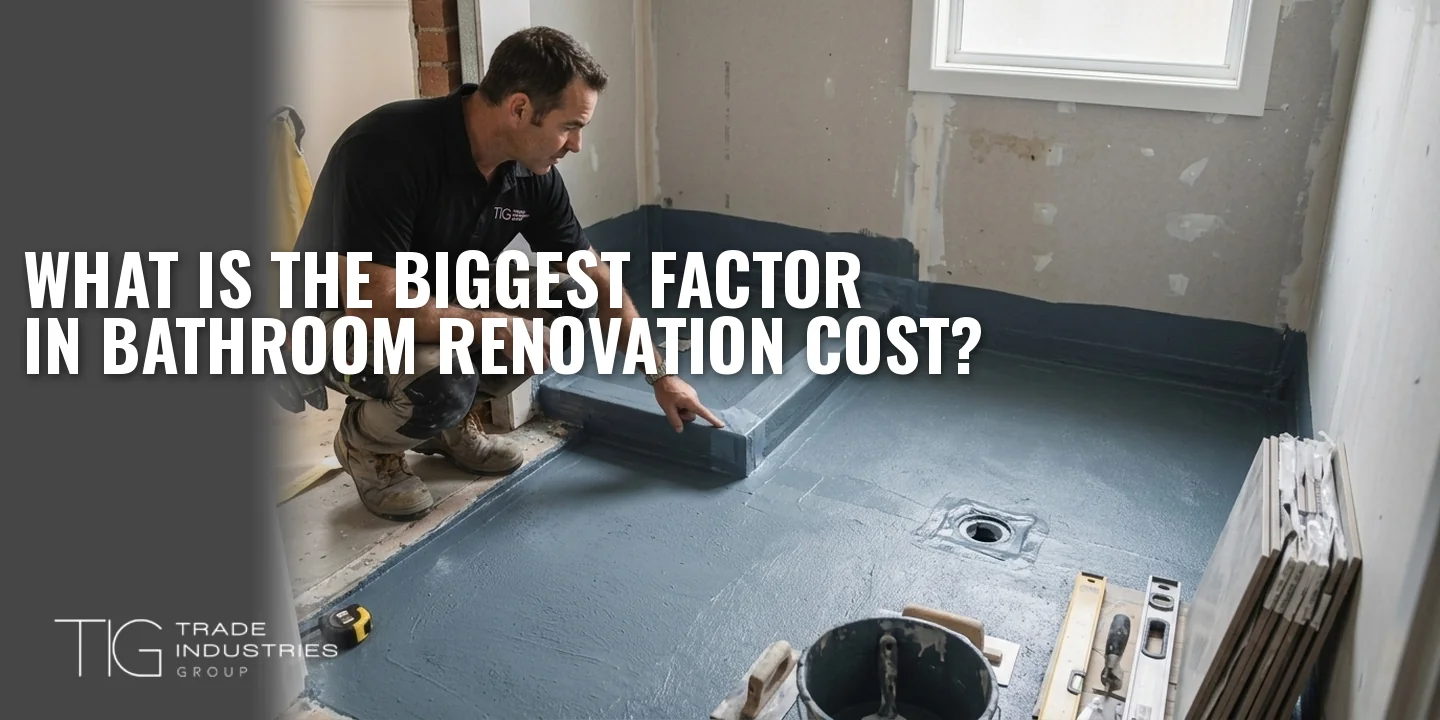
- Waterproofing, tiling and joinery
- Fixtures and finishes
- Design, engineering and approval fees
TIG focuses on established homeowners planning significant renovations. The final cost for these projects is always set after a site visit, because no two homes share the same structure, finishes or access. Smaller cosmetic updates are a different type of job and are priced differently.
What Drives the Cost of Renovation the Most?
The biggest drivers of renovation costs are structural change, finish level and site conditions. Moving walls, adding a floor or extending the footprint costs far more than updating surfaces in the existing layout.
Here is how each driver affects the final figure:
- Scope: A full renovation of every room costs more than a kitchen and bathroom update.
- Structure: Removing load-bearing walls needs engineered steel beams and certification.
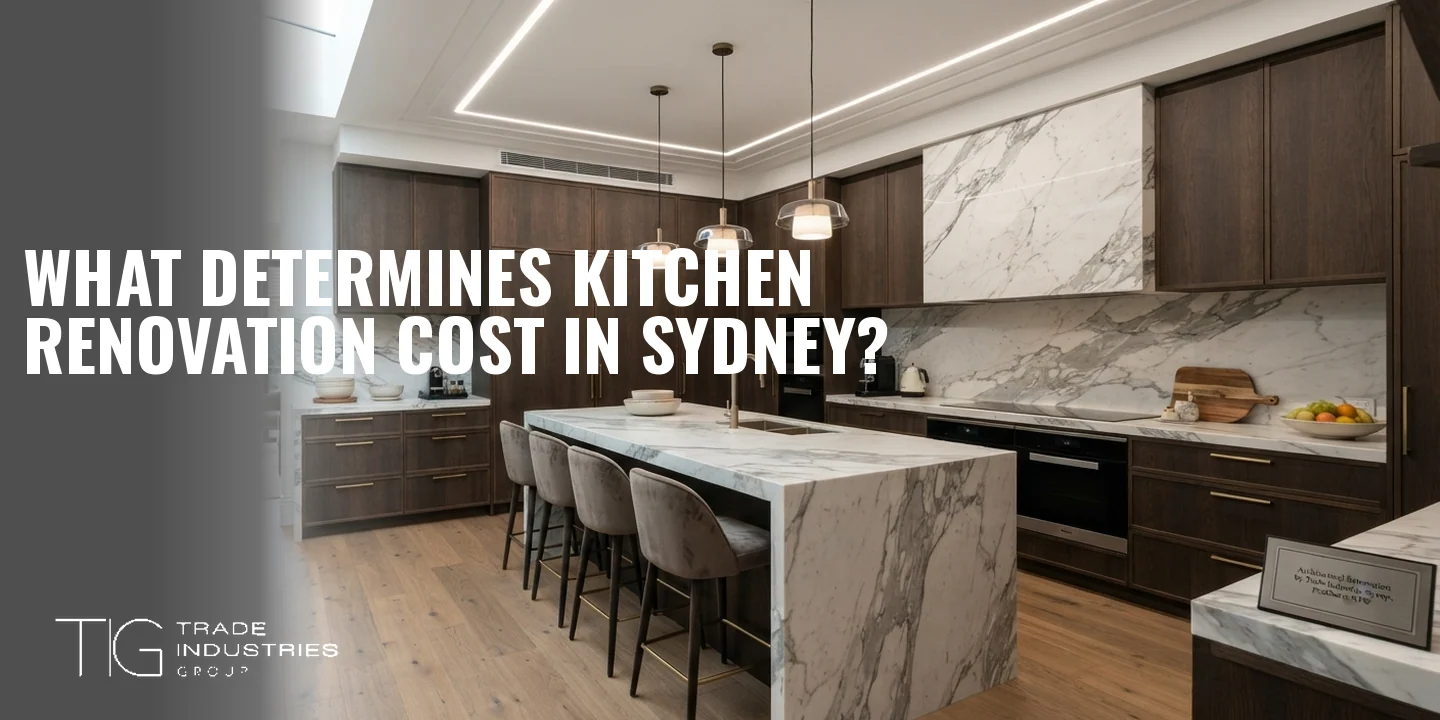
- Finishes: Stone benchtops, custom joinery and premium fixtures can multiply renovation costs for a single room.
- Site access: Steep blocks, narrow streets and tight terrace lots add labour time.
- Age of the home: Older Sydney homes often hide outdated wiring, asbestos or termite damage.
Industry references such as the Rawlinsons Australian Construction Handbook guide how builders rate their work, but they cannot replace an on-site inspection for your property.
How Do I Break Down the Cost of Renovation by Stage?
A renovation cost breakdown splits the project into design and approvals, structure, services, finishes and contingency. Seeing your renovation broken into stages shows where your money goes and where you can save without cutting quality.
- Design and approvals: Architectural drawings, engineering, BASIX certification and council or private certifier fees.
- Structure and shell: Demolition, framing, roofing, windows and external walls.
- Services: Plumbing, electrical, air conditioning and drainage.
- Internal fit-out: Waterproofing, tiling, joinery, painting and flooring.
- Fixtures and finishes: Tapware, lighting, hardware and appliances.
- Contingency: A reserve for hidden problems found once walls are opened.
If you are weighing scope options, our guides to full house renovations and adding an upper level show what each type of project involves.
Which Approvals Affect Renovation Costs in NSW?
Approvals add to renovation costs through design, engineering, certification and council or private certifier fees. Depending on the work, you may need a development application, a complying development certificate or neither.
Key NSW rules to plan for:
- Planning approval: The NSW Planning Portal explains whether your project needs council approval or can be approved as complying development.
- BASIX certificate: Required for alterations and additions above the cost threshold set by NSW Planning, so check the current threshold on the BASIX website.
- Written contract: The Home Building Act 1989 requires a written contract for residential work above the minimum value set by NSW Fair Trading.
- Home building compensation cover: Required once residential work passes the threshold in NSW law, and provided through icare’s Home Building Compensation Fund.
Check requirements on the NSW Planning Portal before you finalise your home improvement budget.
How Much Contingency Should Your Renovation Include?
Your renovation plan should include a contingency allowance for problems that cannot be seen before demolition. Hidden issues are the most common reason a renovation goes over its original figure in older Sydney homes.
Typical surprises include:
- Rotted framing or termite damage
- Asbestos in older fibro or lined homes
- Outdated electrical switchboards
- Poor drainage or subfloor moisture
A fixed written scope with clearly defined allowances for fixtures and finishes protects you from creeping costs. Ask any builder how they handle variations before you sign. Our home renovation services are priced after a site inspection against a detailed scope so you know what is included.
Is Renovating, Extending or Rebuilding Better Value?
The cost of renovation is usually lower than rebuilding when the existing structure is sound, while extending suits families who need space without leaving the suburb. The best value depends on structure, zoning and your long-term plans. The table below compares the three options.
| Option | Best for | Main cost drivers | Typical trade-off |
|---|---|---|---|
| Renovate | Sound homes needing a new layout and finishes | Scope, services, finishes | Limited by the existing footprint |
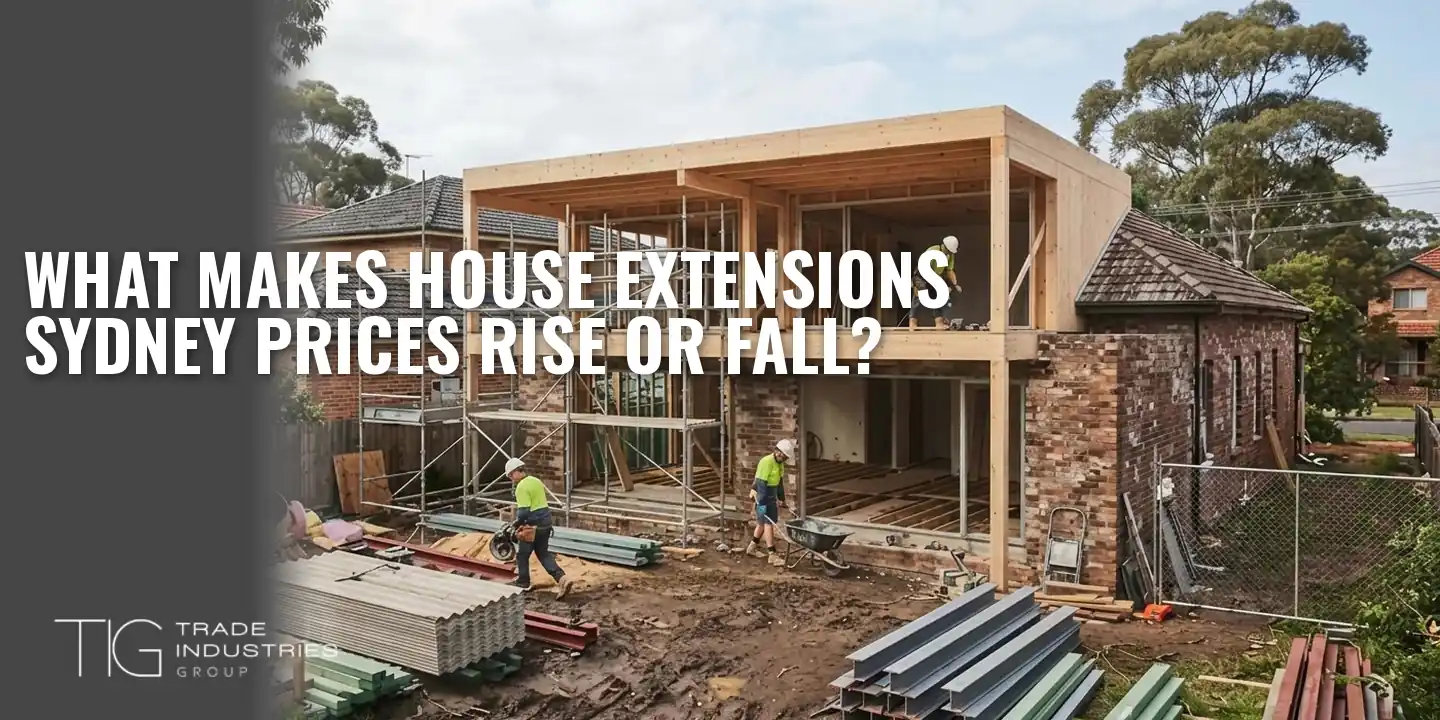
| Extend or add an upper level | Growing families staying in the same suburb | Structure, approvals, access | Longer approval and build time |
| Knock down and rebuild | Homes with major structural problems | Demolition, full new build, approvals | Highest cost and longest timeline |
Each path needs a different home improvement budget. Ground floor extensions and kitchen renovations are common starting points for homeowners who want to add value without a full rebuild.
How Can I Plan My Renovation With Confidence?
You plan your renovation with confidence by getting a site inspection, a fixed written scope and a clear contingency before signing anything. A reliable estimate begins with your actual scope, not a generic online average.
Follow these steps:
- Define your priorities, such as layout, extra bedrooms or a new kitchen.
- Set a total home improvement budget that includes approvals and contingency.
- Check your builder’s licence on the NSW Fair Trading website before any quotes.
- Compare written scopes line by line, not by the headline total.
- Confirm how variations, deposits and payment stages are handled in writing.
NSW Fair Trading also caps deposits on larger residential building contracts at 10 per cent of the contract price, so treat any request for more as a red flag. Read the rules at NSW Fair Trading.
Your Next Step: Get a Clear Plan for Your Sydney Renovation
Every renovation is different once tied to your home, your scope and your goals. Generic averages hide the structural, approval and access factors that decide your cost of renovation. The most useful next step is an on-site conversation with a licensed builder.
Book a free consultation with TIG and get a written scope and a realistic home improvement budget for your Sydney renovation. Request your free consultation
Frequently Asked Questions
1. How much does a home renovation cost in Sydney?
The cost of renovation in Sydney varies widely with scope, structure and finishes. For the significant projects TIG delivers, including full renovations, extensions and additions, the only accurate figure comes from a site inspection and a fixed written scope. Generic online numbers cannot account for your home’s structure or access.
2. What is the average renovation price per square metre?
An average renovation price per square metre is a rough guide at best, because it ignores structure, services and finishes. Two homes of equal size can differ greatly in their cost of renovation. Ask for a line-by-line scope based on your actual project.
3. Is there a reliable renovation calculator?
A renovation calculator can give a rough starting point for the cost of renovation, but it cannot see hidden structural issues, access limits or approval costs. Use it to test your home improvement budget, then confirm with an on-site inspection from a licensed builder.
4. Do I need council approval for a renovation in NSW?
Not always. Some work needs a development application, some qualifies as complying development, and minor work may need neither. Use the NSW Planning Portal or ask your builder or local council to confirm before you plan your spend.
5. How much should I set aside for unexpected costs?
Set aside a contingency allowance in your renovation plan for hidden issues like termite damage, asbestos or old wiring. Older Sydney homes carry the highest risk. Ask your builder to explain in writing how variations are priced and approved.
 Commercial Office Refurbishment in Sydney
 What Affects Bathroom Renovation Cost in Sydney?
About the Author: Trade Industries Group